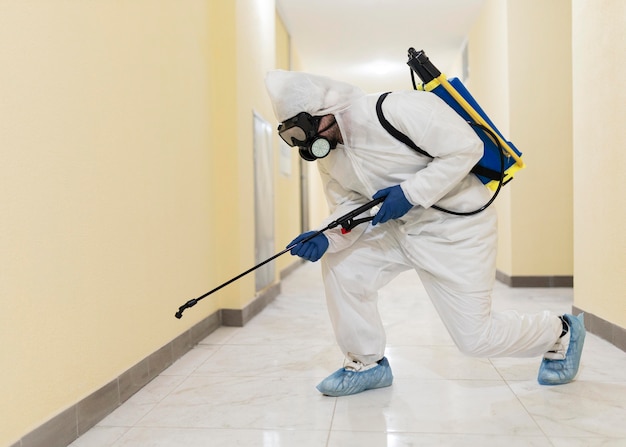
Bed bug infestations are not only a nuisance but also a source of significant anxiety and discomfort. These tiny pests can easily spread throughout a home, hiding in cracks and crevices, and can be difficult to eliminate without the right approach. Knowing how to safely and effectively rid your home of bed bugs is crucial. This guide will explore the best practices and strategies for dealing with these unwelcome guests, ensuring peace of mind and a bug-free environment.
Identification and Inspection
Before beginning any treatment, it’s essential to confirm the presence of bed bugs. Bed bugs are small, reddish-brown insects that are typically found in:
- Mattresses and box springs
- Bed frames and headboards
- Carpets and baseboards
- Furniture upholstery
Conduct a thorough inspection of these areas, looking for live bugs, shed skins, or tiny black spots of fecal matter. Discover expert strategies here for effective identification techniques.
Preparation for Treatment
Proper preparation is key to a successful bed bug eradication process. This includes:
- Decluttering your living space to minimize hiding spots
- Laundering all bedding, curtains, and clothing at high temperatures
- Vacuuming thoroughly to remove any visible bugs or eggs
- Sealing infested items in plastic bags for treatment
Learn about our tailored solutions to ensure your home is ready for the next steps in bed bug elimination.
Choosing the Right Treatment Method
Chemical Treatments
Chemical treatments involve the use of insecticides and are often effective when applied correctly. These treatments should be handled with caution, following all safety guidelines to protect household members and pets. Explore advanced guides and tips on selecting the appropriate products and application methods.
Non-Chemical Methods
For those seeking chemical-free alternatives, consider the following methods:
- Heat treatment: Raising the temperature of affected areas to levels lethal to bed bugs.
- Steam treatment: Using steam cleaners to treat mattresses, upholstery, and carpets.
- Encasements: Sealing mattresses and box springs in protective covers to trap and kill bed bugs.
Find out more about this approach to determine which non-chemical method is best suited for your situation.
Monitoring and Prevention
After treatment, continuous monitoring is crucial to prevent re-infestation. Consider implementing these preventive measures:
- Regularly inspect beds and furniture for signs of bed bugs.
- Reduce clutter to minimize hiding places for bed bugs.
- Use bed bug interceptors under bed legs to trap any wandering bugs.
- Maintain a clean and tidy home environment.
Consistent vigilance and timely action can significantly reduce the risk of bed bugs returning. Discover expert strategies here to maintain a bed bug-free home.
Conclusion
Eliminating bed bugs requires a comprehensive and systematic approach. Through identification, preparation, and choosing the right treatment methods, homeowners can effectively rid their homes of these persistent pests. By staying informed and proactive, it is possible to maintain a comfortable and bug-free living space. For more detailed information on treatments and prevention, learn about our tailored solutions.