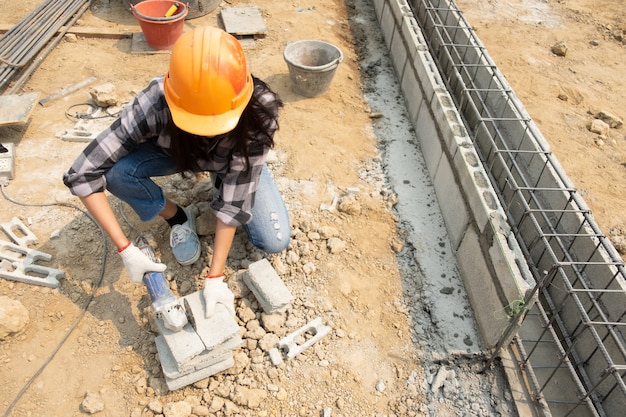
Foundation underpinning is a crucial process in the construction and maintenance of buildings. It involves strengthening and stabilizing the foundation of a structure, ensuring it can support the weight of the building and withstand environmental pressures over time. Understanding the details of foundation underpinning can help in making informed decisions regarding building safety and longevity. This article delves into the intricacies of foundation underpinning, offering insights into its techniques, benefits, and considerations for successful implementation.
What is Foundation Underpinning?
Foundation underpinning is the process of reinforcing and stabilizing the foundation of an existing structure. This can be necessary when the original foundation is no longer strong enough to support the building due to various reasons such as soil subsidence, structural modifications, or increased load requirements.
Common Techniques in Foundation Underpinning
Different techniques are employed in foundation underpinning, each suited to specific conditions and requirements:
- Mass Concrete Underpinning: This traditional method involves digging beneath the foundation in controlled stages and pouring concrete to support the structure.
- Beam and Base Method: It involves constructing a beam below or above the existing foundation, which redistributes the load to a new concrete base.
- Mini-Piled Underpinning: Ideal for sites with variable soil conditions or restricted access, this method uses small diameter piles to transfer the building’s load to more stable soil layers.
- Underpinning by Expanding Resin Injection: A modern technique where expanding resin is injected into the ground to fill voids and stabilize the soil.
For more detailed insights into these techniques, discover expert strategies here.
Benefits of Foundation Underpinning
Implementing foundation underpinning offers several advantages:
- Enhanced Structural Stability: Underpinning reinforces the foundation, reducing the risk of structural failure.
- Increased Property Value: A stable foundation can significantly increase the market value of a property.
- Extended Lifespan of the Structure: Proper underpinning can add years to the life of a building, preventing costly repairs in the future.
- Adaptability to Structural Changes: Underpinning allows for modifications or extensions to a building without compromising its stability.
To explore advanced guides and tips on foundation underpinning, find out more about this approach.
Considerations for Successful Foundation Underpinning
Before undertaking foundation underpinning, consider the following factors to ensure successful outcomes:
Assessment of Existing Conditions
Conduct a thorough assessment of the current foundation and surrounding environment. This includes soil analysis, structural integrity checks, and identifying any potential hazards.
Choice of Technique
Select the most appropriate underpinning technique based on the assessment. Factors such as soil type, building design, and budget constraints should guide this decision.
Professional Expertise
Engaging experienced professionals is crucial. Their expertise ensures that the underpinning process is carried out safely and effectively. Learn about our tailored solutions to find qualified experts.
Compliance with Regulations
Ensure that all underpinning work complies with local building codes and regulations. This not only guarantees safety but also protects against legal issues.
For building owners and developers looking to secure their investment and enhance the longevity of their structures, understanding and implementing the right foundation underpinning techniques is essential. Explore advanced guides and tips for more information on effective underpinning strategies and solutions.