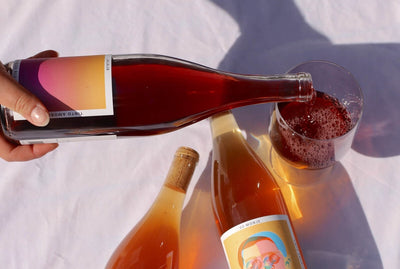
Monje Orange Wine represents a unique intersection of tradition and innovation in the world of viticulture. This intriguing wine style, characterized by its distinctive amber hue and complex flavor profile, is a subject of increasing interest among wine connoisseurs. The production of orange wine involves a meticulous process of fermenting white grapes with their skins, a method that imparts a depth and complexity akin to red wines. This article delves into the secrets of Monje Orange Wine, providing a comprehensive guide for enthusiasts eager to enhance their understanding and appreciation of this captivating beverage.
The Unique Production Process of Monje Orange Wine
The making of Monje Orange Wine is an art form that demands both skill and patience. The process involves several critical steps:
- Selection of Grapes: The choice of grape variety significantly influences the final product. Generally, aromatic white grape varieties are preferred to enhance the wine’s complexity.
- Fermentation with Skins: Unlike typical white wines, orange wine grapes are fermented with their skins, imparting tannins and a richer color.
- Aging: The wine is often aged in neutral barrels or clay amphorae, allowing it to develop its unique flavor profile without overwhelming oak characteristics.
For those interested in the nuances of this production process, find out more about this approach.
Flavor Profile and Pairing Suggestions
Monje Orange Wine is renowned for its complex and layered flavor profile, offering a tasting experience unlike any other.
- Aromas and Flavors: Expect notes of dried fruit, nuts, and honey, complemented by an earthy minerality.
- Texture: The skin contact provides a distinctive texture, giving the wine a bold body and structure.
- Pairings: This versatile wine pairs beautifully with a range of dishes, including roasted meats, spicy cuisine, and rich cheeses.
For those looking to enhance their dining experience, explore advanced guides and tips on pairing Monje Orange Wine with various dishes.
Understanding the Cultural Significance
The Historical Context
Orange wine has a rich heritage, with roots tracing back thousands of years to the Caucasus region. This historical context provides a deeper appreciation for its resurgence in modern times.
Modern-Day Renaissance
In recent years, there has been a renewed interest in orange wines among sommeliers and wine enthusiasts. This resurgence is driven by a growing appreciation for traditional winemaking methods and the unique characteristics these wines offer.
To discover expert strategies here that highlight the cultural significance of orange wine, enthusiasts can delve into its historical journey and modern-day appeal.
Tips for Enjoying Monje Orange Wine
For those new to orange wine, here are some tips to enhance your tasting experience:
- Serving Temperature: Serve slightly chilled to allow the flavors to unfold gradually.
- Glassware: Use a glass with a large bowl to capture the wine’s complex aromas.
- Tasting Notes: Take the time to appreciate the wine’s evolving flavors as it breathes and warms in the glass.
For a deeper dive into enjoying orange wine, learn about our tailored solutions that offer insights into optimizing your wine-tasting experience.
In conclusion, Monje Orange Wine offers a captivating journey into a world of rich flavors and historical significance. This guide aims to provide the essential knowledge needed to appreciate this unique wine style fully. Whether you’re a seasoned connoisseur or a curious novice, the exploration of Monje Orange Wine promises an enriching and satisfying experience. As the popularity of this wine continues to grow, so too will the opportunities to understand and enjoy its distinctive allure.