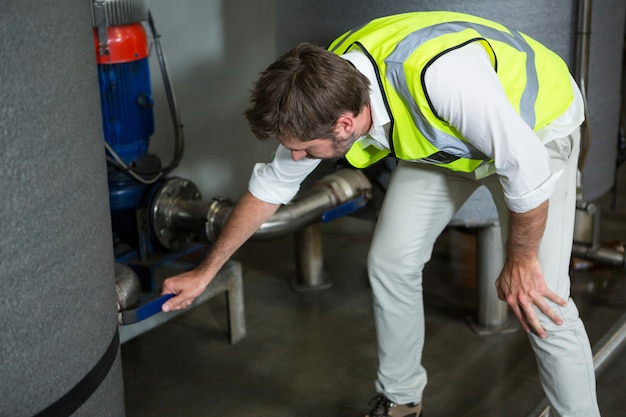
Water damage can cause significant disruption to both residential and commercial properties, leading to costly repairs and potential health hazards. Whether it?s a result of natural disasters, plumbing failures, or other unforeseen events, addressing water damage promptly and effectively is crucial. Trusted water damage restoration experts possess the skills, tools, and experience necessary to mitigate these issues, ensuring that properties are restored to their pre-damage condition swiftly and efficiently. A comprehensive approach to water damage restoration not only focuses on immediate relief but also on preventing future occurrences, safeguarding the integrity of the property.
Understanding the Scope of Water Damage
Water damage can manifest in various forms, each requiring a tailored restoration approach. Understanding the specific type and extent of damage is essential for effective remediation.
- Category 1: Clean water from a sanitary source, such as a broken water supply line.
- Category 2: Grey water that may contain contaminants, like a dishwasher or toilet overflow.
- Category 3: Black water, which is highly contaminated, often from sewage or flooding.
Each category necessitates a different strategy for cleanup and restoration. Discover expert strategies here to tackle various water damage scenarios effectively.
The Restoration Process
Initial Assessment and Inspection
The first step in water damage restoration is a thorough inspection to assess the extent of the damage. This involves determining the severity and type of water involved, which guides the subsequent stages of the restoration process. Learn about our tailored solutions for conducting an accurate assessment.
Water Extraction and Drying
Prompt water extraction is critical to minimize further damage. Advanced equipment such as industrial vacuums and dehumidifiers are employed to efficiently remove water and moisture from affected areas. This step is vital in preventing mold growth and structural deterioration.
Cleaning and Sanitization
Once the water is removed, thorough cleaning and sanitization processes are conducted to eliminate contaminants and prevent mold infestation. Specialized cleaning agents and techniques are utilized to ensure that all affected surfaces are safe and hygienic.
Restoration and Repairs
The final phase involves restoring the property to its original state. This can include minor repairs such as drywall replacement and major reconstruction efforts. Explore advanced guides and tips on comprehensive restoration practices.
Preventive Measures to Consider
Implementing preventive measures can significantly reduce the risk of water damage in the future. Consider the following strategies:
- Regular maintenance of plumbing systems to identify and fix leaks early.
- Installation of water leak detection devices to alert occupants to potential issues.
- Ensuring proper drainage around the property to avoid water accumulation.
Taking these precautions can safeguard properties against potential water damage. Find out more about this approach to prevent water damage proactively.
Conclusion
Effectively managing water damage requires the expertise of skilled professionals who understand the complexities involved. Through proper assessment, efficient restoration techniques, and preventive measures, water damage can be controlled, ensuring the longevity and safety of the property. For those seeking reliable solutions to water damage issues, engaging with trusted restoration experts is a prudent choice.