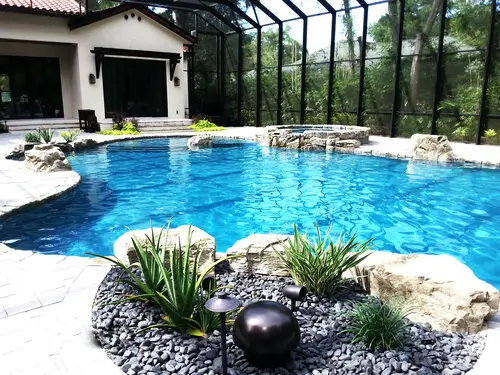
Transforming a green pool into a sparkling oasis can seem like a daunting task, but with the right approach and a little patience, it’s entirely possible. Green pool water is often the result of algae growth, which can occur due to various factors such as imbalanced pH levels, insufficient chlorine, or poor filtration. Understanding the root cause of the problem is the first step toward remedying it. With expert guidance and correct techniques, clear and inviting pool water is within reach.
Identifying the Root Cause
To effectively turn green pool water into crystal clear, it?s crucial to identify the underlying cause of the issue. Here are some common reasons why pool water turns green:
- Algae Growth: The most common cause of green pool water. Algae thrive in stagnant water with low chlorine levels.
- Imbalanced pH Levels: When pH levels are not within the recommended range, it can lead to algae blooms.
- Poor Filtration: Inadequate filtration can allow algae and debris to remain in the pool water.
- Environmental Factors: Leaves, dirt, and other organic matter can introduce algae spores into the water.
For a comprehensive understanding, discover expert strategies here to identify and tackle these issues effectively.
Steps to Clear Green Pool Water
1. Test and Balance the Water
Start by testing the pool water’s pH and chlorine levels. It’s essential to ensure that these are within the recommended range:
- pH Level: Should be between 7.2 and 7.6.
- Chlorine Level: Maintain a level between 1 and 3 ppm to prevent algae growth.
Adjust the levels as necessary using pool chemicals. For more detailed guidance, find out more about this approach.
2. Shock the Pool
Shocking the pool involves adding a large dose of chlorine to kill algae and bacteria. This process often requires:
- Calcium Hypochlorite: A common choice for pool shocking.
- Liquid Chlorine: An alternative that works quickly to kill algae.
Follow the manufacturer?s instructions for the correct dosage based on the pool size. Learn about our tailored solutions for effective pool shocking.
3. Brush and Vacuum the Pool
After shocking, brush the pool walls and floor to remove algae clinging to surfaces. Use a pool vacuum to remove dead algae and debris from the bottom of the pool.
4. Clean the Filter
Ensure that the pool filter is clean and functioning efficiently. A clogged filter can impede the cleaning process, leading to prolonged algae problems. Regularly backwash sand and DE filters, and clean cartridge filters as needed.
Preventive Measures
Once the pool water is clear, maintaining it is key to preventing future algae growth:
- Regular Testing: Test the pool water weekly to maintain balanced pH and chlorine levels.
- Consistent Filtration: Run the pool pump daily for adequate filtration, especially during peak swimming season.
- Routine Cleaning: Skim debris regularly and brush pool surfaces weekly.
- Algaecide Use: Consider adding algaecide as a preventive measure.
For more expert guidance, explore advanced guides and tips on pool maintenance.
Conclusion
Transforming green pool water into crystal clear requires understanding the cause of the issue, applying effective solutions, and maintaining regular care. With the right strategies and a proactive approach, a pristine pool is not only achievable but sustainable. For further assistance and professional advice, refer to expert resources available at Marathon Pools’ specialized services.