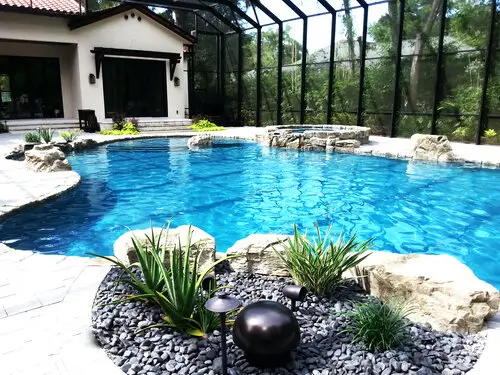
Maintaining a pristine swimming pool can be a rewarding yet challenging task. Algae growth is one of the most common issues faced by pool owners, potentially turning a crystalline oasis into a murky mess. Algae not only detracts from the aesthetic appeal of your pool but also poses health and safety risks. Understanding how to effectively eliminate algae and prevent its recurrence is crucial. Here, we delve into the top techniques for removing algae from your pool, ensuring a safe and enjoyable swimming environment.
Understanding Algae Types
Before tackling algae removal, identifying the type is essential:
- Green Algae: The most common type, easily suspended in water, turning it murky.
- Yellow Algae: Also known as mustard algae, it clings to pool walls and is more stubborn.
- Black Algae: The most difficult to remove, appearing as dark spots that penetrate pool surfaces.
Effective Algae Removal Techniques
1. Shocking the Pool
Pool shocking is a highly effective method to kill algae. It involves adding significant amounts of chlorine to the water to oxidize contaminants. For those unfamiliar with the process, discover expert strategies here.
2. Using Algaecides
Algaecides are chemical treatments formulated to eradicate algae. They can be used in conjunction with chlorine treatments for stubborn algae types. Learn about our tailored solutions to find the right algaecide for your pool needs.
3. Brushing and Vacuuming
Regularly brushing the walls and floor of your pool helps dislodge algae, making chemical treatments more effective. Follow up with vacuuming to remove the dislodged particles. This physical removal is essential, especially for black algae, which can be resistant to chemical treatments alone.
4. Ensuring Proper Filtration
Adequate filtration is vital in maintaining pool clarity and preventing algae growth. Ensure your filtration system is functioning optimally and backwash it regularly. For advanced maintenance techniques, explore advanced guides and tips.
5. Balancing Pool Chemistry
Keeping your pool?s pH, alkalinity, and calcium hardness levels balanced is crucial in preventing algae blooms. Test your pool water regularly and adjust the chemical levels as necessary to maintain balance and deter algae growth. For a comprehensive understanding of water chemistry, find out more about this approach.
Preventing Future Algae Growth
Prevention is always better than cure. Here are some strategies to keep algae at bay:
- Maintain a regular cleaning schedule, including brushing and vacuuming.
- Monitor and adjust chemical levels frequently.
- Ensure your pool filter is clean and operating efficiently.
- Use a pool cover to limit exposure to debris and sunlight, which can promote algae growth.
- Consider installing a UV or ozone system for additional algae control.
By understanding and implementing these techniques, pool owners can effectively manage and prevent algae, ensuring a safe, beautiful pool environment. For more information on pool maintenance and to consult with professionals, visit Marathon Pools.