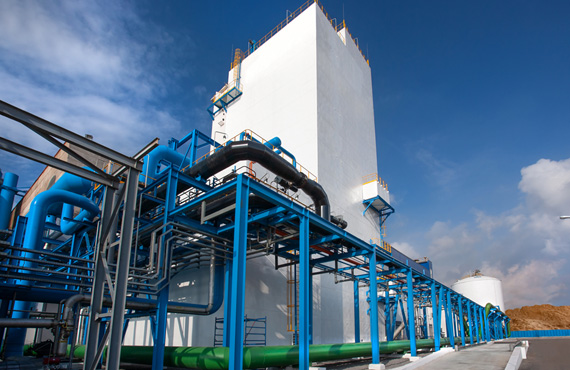
In the modern manufacturing landscape, efficiency, precision, and sustainability are crucial for success. Central to this ecosystem are the asu industrial oxygen plants, which play an indispensable role in various industrial processes. These facilities are integral to producing the high-purity gases necessary for numerous manufacturing techniques. Understanding their function and importance is vital for appreciating how they underpin the manufacturing sector’s operational continuity and innovation.
The Fundamentals of ASU Industrial Oxygen Plants
Air Separation Units (ASUs) are complex facilities designed to separate atmospheric air into its primary components: nitrogen, oxygen, and argon. The air separation industrial unit operates through a series of processes, including cryogenic distillation, to achieve this separation with high purity levels.
- Cryogenic Distillation: This process involves cooling air to extremely low temperatures where gases liquefy and can be separated by their boiling points.
- Membrane Technology: Some ASUs use advanced membrane technology for gas separation, though this is less common for oxygen production.
- Pressure Swing Adsorption (PSA): This method is used in smaller units, using adsorbent materials to separate gases at varying pressures.
Role in Manufacturing
The contribution of ASU industrial oxygen plants to manufacturing cannot be overstated. Oxygen is a critical component in numerous industrial processes, including steel production, chemical synthesis, and glass manufacturing. Here?s a closer look at how these plants support industrial operations:
Steel Production
The steel industry relies heavily on oxygen to enhance combustion processes and increase production efficiency. The high-purity oxygen supplied by air separation industrial plants is used in blast furnaces and for decarburizing molten steel, which helps in maintaining quality and reducing impurities.
Chemical Industry
Oxygen is used extensively in the chemical industry for the production of various compounds, including ethylene oxide, propylene oxide, and synthesis gas. The reliability of industrial api 618 compressors in these processes ensures the continuous supply of oxygen, which is crucial for maintaining production efficiency and product quality.
Glass Manufacturing
In glass manufacturing, oxygen is vital for achieving the temperatures necessary for melting raw materials. The use of high-purity oxygen from ASUs improves combustion efficiency, reduces fuel consumption, and lowers emissions, contributing to a more sustainable operation.
Technological Advancements
Innovations in air separation technology are continually enhancing the efficiency and sustainability of ASU industrial oxygen plants. These advancements include:
- Improved Energy Efficiency: Modern ASUs are designed to consume less energy, reducing operational costs and environmental impact.
- Automation and Control Systems: Advanced control systems allow for precise monitoring and adjustment of the separation processes, enhancing reliability and output consistency.
- Sustainability Initiatives: Developments in technology are geared towards reducing emissions and improving the overall carbon footprint of these plants.
Conclusion
The role of ASU industrial oxygen plants extends beyond their primary function of gas separation. They are a cornerstone in the complex machinery of manufacturing, driving efficiency and sustainability across various sectors. As industries continue to evolve, the importance of these facilities, with their advanced air separation industrial units and technological innovations, will only grow, ensuring they remain pivotal to the future of manufacturing.