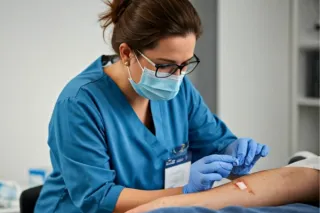
Chronic wounds present a significant challenge in healthcare due to their prolonged healing time and the associated risk of infection and complications. Skilled nursing facilities play a crucial role in addressing these issues by providing specialized care and treatment options for chronic wounds. These facilities are equipped with trained healthcare professionals and advanced medical resources to manage and treat chronic wounds effectively. Understanding the services offered by skilled nursing facilities can help patients and families make informed decisions about wound care management.
Understanding Chronic Wounds
Chronic wounds are wounds that do not progress through the normal stages of healing and fail to show significant improvement over a period of time. Common types of chronic wounds include:
- Pressure ulcers
- Diabetic foot ulcers
- Venous leg ulcers
- Arterial ulcers
These wounds require specialized treatment approaches to prevent further complications. Skilled nursing facilities provide comprehensive care tailored to the individual needs of each patient.
Services Offered by Skilled Nursing Facilities
Skilled nursing facilities offer a range of services to manage and treat chronic wounds effectively. These services include:
- Assessment and Diagnosis: Initial assessment to determine the type, severity, and underlying causes of the wound.
- Personalized Treatment Plans: Development of individualized care plans that address the specific needs of each patient.
- Advanced Wound Care Techniques: Utilization of state-of-the-art wound care products and techniques, such as negative pressure wound therapy and bioengineered skin substitutes.
- Infection Control: Implementation of strict infection control measures to prevent complications.
- Regular Monitoring and Evaluation: Continuous monitoring and evaluation to track healing progress and adjust treatment plans as necessary.
- Patient Education: Educating patients and their families on wound care management and preventive measures.
To explore further insights on the services provided by skilled nursing facilities, explore further insights here.
The Role of Healthcare Professionals
Interdisciplinary Team Approach
Skilled nursing facilities employ an interdisciplinary team of healthcare professionals to provide comprehensive wound care. This team typically includes:
- Nurses specialized in wound care
- Physical therapists
- Dietitians
- Physicians
- Social workers
This collaborative approach ensures that all aspects of the patient’s health and well-being are considered in the treatment plan. Learn more in this detailed guide about the roles of each team member in wound management.
Benefits of Skilled Nursing Facilities for Chronic Wound Treatment
Choosing a skilled nursing facility for chronic wound treatment offers several benefits, such as:
- Access to Specialized Care: Facilities equipped with advanced equipment and trained professionals.
- Comprehensive Treatment Plans: Holistic approach that addresses both the wound and any underlying health issues.
- Improved Healing Outcomes: Evidence-based practices that enhance the healing process.
- Reduced Risk of Complications: Proactive management and monitoring to prevent infections and other complications.
For more on the benefits and features of skilled nursing facilities, find additional information here.
Conclusion
Skilled nursing facilities play an integral role in the management and treatment of chronic wounds. By offering specialized care, personalized treatment plans, and a collaborative healthcare approach, these facilities help improve patient outcomes and quality of life. For those dealing with chronic wounds, considering a skilled nursing facility can be a crucial step toward effective treatment and recovery. Read more about this topic to make an informed decision regarding wound care options.