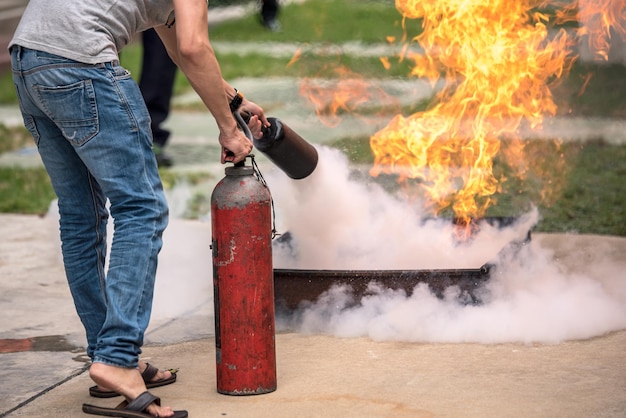
Experiencing a fire in the home is a challenging ordeal, and the aftermath can be equally daunting. Smoke damage, in particular, poses a significant threat to both the property and the health of its occupants. Restoring a home after a fire requires a strategic approach to dealing with soot, odors, and structural damage. An effective restoration plan not only ensures the safety and comfort of the inhabitants but also preserves the value of the property. This guide provides essential smoke damage restoration tips to help homeowners navigate this complex process efficiently.
Understanding Smoke Damage
Smoke damage extends beyond visible soot and discoloration. It can permeate walls, carpets, and furniture, affecting the home’s air quality and potentially causing long-term health issues. Recognizing the types of smoke damage is crucial:
- Wet Smoke: Often results from smoldering fires with low heat and leaves a sticky residue.
- Dry Smoke: Occurs from fast-burning, high-temperature fires and leaves a powdery residue.
- Protein Smoke: Common in kitchen fires, leaving a strong odor and discoloration.
- Fuel Oil Smoke: Caused by furnace puff backs, creating an oily residue.
Understanding these types will help tailor the appropriate cleaning and restoration strategies. Explore advanced guides and tips for further insights.
Initial Steps After Fire Damage
Ensure Safety
The safety of the household should be the top priority. Before beginning restoration efforts:
- Consult with local fire departments or professionals to confirm that the home is safe to enter.
- Wear protective gear such as masks and gloves to limit exposure to harmful particles.
Assess the Damage
A thorough assessment of the damage is essential to formulating a comprehensive restoration plan:
- Document all damages for insurance claims, including photographs and detailed notes.
- Identify areas with significant smoke penetration and prioritize them in the restoration process.
For detailed assessment techniques, discover expert strategies here.
Smoke Damage Restoration Techniques
Cleaning and Deodorizing
Effective cleaning and deodorizing are fundamental to smoke damage restoration:
- Surface Cleaning: Use specialized cleaning agents to remove soot from walls and ceilings.
- Carpet and Furniture Cleaning: Employ professional-grade equipment to extract smoke particles and odors.
- Air Purification: Utilize air purifiers and dehumidifiers to improve indoor air quality.
To learn more about tailored solutions, learn about our tailored solutions.
Structural Repairs
In some cases, structural repairs may be necessary to restore the home:
- Inspect the integrity of walls, ceilings, and floors for any fire-related damage.
- Replace or repair damaged materials to prevent future issues.
For comprehensive guidance on structural restoration, find out more about this approach.
Preventive Measures for Future Safety
Once the home is restored, implementing preventive measures can safeguard against future incidents:
- Install smoke detectors and ensure they are functioning correctly.
- Conduct regular fire drills and have an evacuation plan in place.
- Keep fire extinguishers accessible and educate family members on their use.
For comprehensive safety tips, explore advanced guides and tips.
Restoring a home after fire damage is a complex task that requires careful planning and execution. By following these smoke damage restoration tips, homeowners can effectively address the challenges posed by smoke and soot, ensuring a safe and comfortable living environment. Whether considering professional restoration services or undertaking a DIY approach, understanding the nuances of smoke damage is key to successful recovery.