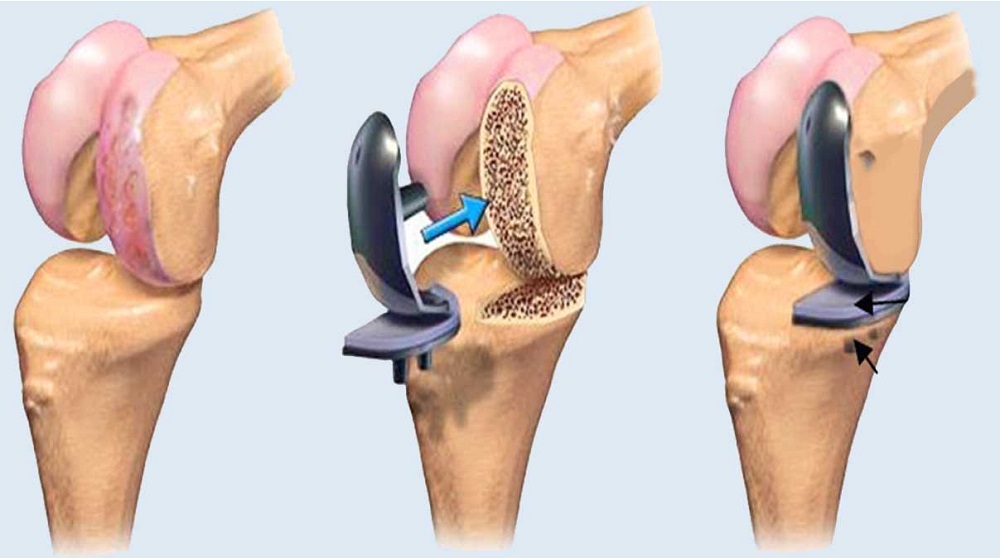
The distress and discomfort associated with knee pain can significantly affect one’s quality of life. For many, knee pain is a signal that surgery might be necessary, particularly when the pain stems from osteoarthritis or other degenerative conditions. However, not everyone is ready or suitable for invasive knee replacement surgery. Fortunately, there are non-surgical alternatives that can alleviate knee pain and improve functionality, offering individuals options to delay or even avoid surgery.
Physical Therapy and Exercise
One of the most recommended non-surgical strategies is physical therapy combined with a tailored exercise regimen. Under the guidance of a trained physical therapist, patients can:
- Improve muscle strength around the knee, which aids in better joint support.
- Increase flexibility to boost range of motion and reduce stiffness.
- Learn techniques to improve balance and coordination, reducing the risk of falls.
Regular exercise not only supports the knee but also promotes overall health, which can indirectly ease knee pain.
Medications for Pain Relief
Over-the-counter and prescription medications can provide temporary relief from knee pain. Options include:
- Nonsteroidal anti-inflammatory drugs (NSAIDs): These help reduce inflammation and pain.
- Topical analgesics: Creams and gels applied directly to the knee can offer localized relief.
- Corticosteroid injections: Administered by healthcare professionals, these injections can provide substantial relief for several weeks or months.
Genicular Artery Embolization
An innovative knee replacement alternative that has gained attention is Genicular Artery Embolization (GAE). This minimally invasive procedure involves:
- Targeting the blood vessels that supply the inflamed area of the knee.
- Reducing inflammation and pain by blocking these vessels.
GAE is performed on an outpatient basis and has shown promise in reducing pain and improving knee function.
Weight Management
Maintaining a healthy weight is crucial for individuals with knee issues, as excess weight places additional strain on the joints. Effective weight management involves:
- Adopting a balanced diet rich in nutrients that support joint health.
- Engaging in regular physical activity to help burn calories and maintain muscle mass.
Losing even a small amount of weight can result in noticeable improvements in knee pain and function.
Assistive Devices
The use of assistive devices can provide relief by reducing the load on the knee. Options include:
- Braces: Knee braces can stabilize the joint and prevent excessive movement.
- Cane or walker: These devices help distribute weight away from the affected knee.
Choosing the right device should involve consultation with a healthcare provider to ensure proper fit and usage.
Alternative Therapies
Complementary therapies can be beneficial in managing knee pain. These include:
- Acupuncture: May help reduce pain through the stimulation of specific points on the body.
- Massage therapy: Can alleviate tension and improve circulation around the knee area.
- Chiropractic care: Focuses on enhancing musculoskeletal alignment to improve joint function.
Conclusion
While knee replacement surgery is a viable option for many, exploring non-surgical alternatives can provide significant relief and improve quality of life without the need for invasive procedures. Consulting with a healthcare provider is essential to determine the most appropriate course of action based on individual needs and health conditions. Embracing a multi-faceted approach that combines these alternatives can delay the need for surgery and maintain knee health effectively.