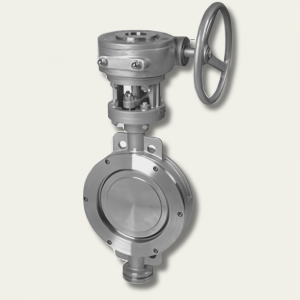
Butterfly valves are essential components in various industries due to their versatility, compact design, and cost-effectiveness. These valves regulate the flow of fluids through a disc mechanism that rotates within the valve body. To ensure their optimal performance and longevity, regular maintenance is crucial. Proper upkeep not only enhances efficiency but also minimizes the risk of downtime and costly repairs. This article offers valuable insights into maintaining butterfly valves, ensuring their long-lasting performance and reliability.
Understanding Butterfly Valves
Before delving into maintenance, it is vital to understand the basic components of a butterfly valve. A typical butterfly valve consists of:
- A body that houses the valve mechanism.
- A disc that rotates to control fluid flow.
- A stem connected to the disc, facilitating rotation.
- Seals and seats that ensure a tight closure to prevent leakage.
For a deeper understanding of butterfly valve components and their functions, explore advanced guides and tips available online.
Routine Inspection and Cleaning
Visual Inspections
Regular visual inspections are fundamental in identifying potential issues early. During inspections, check for:
- Visible wear and tear on the valve body and disc.
- Corrosion or rust, especially in metal components.
- Accumulation of debris or sediment that might hinder operation.
Routine inspections should be scheduled based on the valve’s operational environment and usage frequency. Discover expert strategies here for setting up effective inspection schedules.
Cleaning Procedures
Cleaning butterfly valves is essential to remove any deposits that may obstruct fluid flow. Consider the following cleaning tips:
- Use non-abrasive cleansers to avoid damaging the valve surfaces.
- Ensure all components are thoroughly dried after cleaning to prevent corrosion.
- Regularly flush the system to clear away any residual particles.
For more detailed cleaning instructions, learn about our tailored solutions for different valve types and materials.
Lubrication and Seal Maintenance
Lubricating Moving Parts
Lubrication reduces friction and wear on moving parts, enhancing the valve’s operational lifespan. Consider these points:
- Choose lubricants compatible with the valve?s materials and the fluid it handles.
- Apply lubricants to the stem and any moving joints at regular intervals.
- Avoid over-lubrication, which can attract debris and cause blockages.
Find out more about this approach by exploring comprehensive lubrication guides available online.
Seal Inspection and Replacement
Seals are critical for preventing leaks and maintaining pressure integrity. Inspect seals regularly for:
- Cracks or deformations that might compromise sealing efficiency.
- Signs of wear or degradation, particularly in high-temperature applications.
- Proper alignment within the valve assembly.
Timely replacement of worn seals is essential to prevent leaks and ensure smooth operation. Explore advanced guides and tips on seal maintenance and replacement techniques.
Operational Best Practices
Implementing best practices in valve operation can significantly extend the lifespan of butterfly valves. Consider the following:
- Operate valves within their designed pressure and temperature limits to avoid undue stress.
- Avoid rapid cycling, which can lead to increased wear and tear.
- Ensure proper training for personnel handling valve operations to minimize the risk of damage.
For further details on operational guidelines, discover expert strategies here to optimize valve usage.
In conclusion, regular maintenance, including inspections, cleaning, and lubrication, is vital for the long-lasting performance of butterfly valves. By following these practices and leveraging expert resources, industries can ensure their valve systems operate efficiently and reliably for years to come.