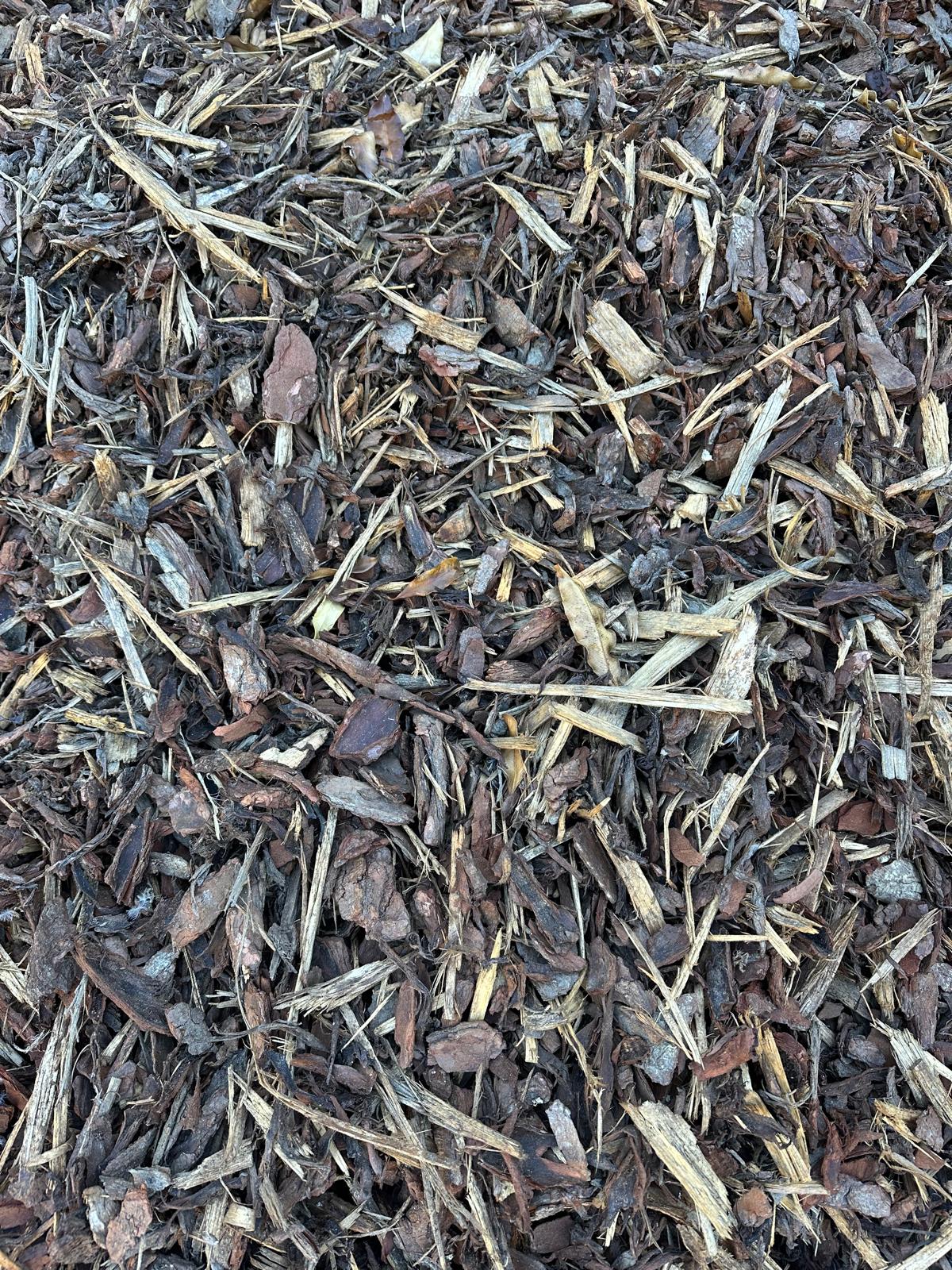
The forest floor is a vibrant tapestry of life, often neglected in favor of the towering trees and lush canopies that capture our immediate attention. However, beneath this leafy surface lies a hidden world teeming with biodiversity and ecological significance. This complex ecosystem plays a crucial role in supporting forest life, recycling nutrients, and maintaining environmental balance. By delving into the intricacies of the forest floor, one can gain a deeper appreciation for its contributions to the broader ecosystem.
The Importance of the Forest Floor Ecosystem
The forest floor is not merely a layer of soil and debris; it is a dynamic environment where various organisms interact, contributing to the overall health of the forest. This layer:
- Acts as a natural recycler, breaking down organic matter such as fallen leaves and dead animals.
- Supports a diverse range of fungi, bacteria, and microorganisms that facilitate nutrient cycling.
- Provides habitat for a multitude of creatures, from insects to mammals, each playing a role in the ecosystem’s balance.
- Helps in soil formation and stabilization, preventing erosion and maintaining soil health.
Key Organisms on the Forest Floor
Fungi and Decomposers
Fungi are crucial to the forest floor’s function. They decompose organic matter, releasing nutrients back into the soil. These organisms form symbiotic relationships with trees and plants, aiding in nutrient absorption. Discover expert strategies here for utilizing similar principles in garden and landscape management.
Insects and Invertebrates
Insects and other invertebrates are vital for the decomposition process and soil aeration. Earthworms, beetles, and ants are just a few examples of creatures contributing to the health of the forest floor. Their activities enhance soil structure and nutrient availability for plants.
Human Impact and Conservation
Human activities, such as logging, agriculture, and urban development, can disrupt the delicate balance of the forest floor ecosystem. Efforts to conserve this vital part of the forest include:
- Implementing sustainable forestry practices that minimize soil disturbance.
- Protecting forested areas from deforestation and degradation.
- Promoting awareness and education about the ecological importance of the forest floor.
- Utilizing organic materials in landscaping to replicate natural forest floor conditions. Learn about our tailored solutions for enhancing soil health and biodiversity.
Practical Applications and Benefits
Understanding the forest floor’s dynamics can lead to innovative approaches in gardening, agriculture, and land management. By emulating natural processes observed on the forest floor, one can improve soil health, increase biodiversity, and enhance plant growth. Find out more about this approach to sustainable land use and its potential benefits for both small-scale and large-scale applications.
Conclusion
The forest floor is a microcosm of life that plays an essential role in maintaining the health and vitality of forest ecosystems. By recognizing and preserving this hidden world, there is an opportunity to foster more sustainable environmental practices. Whether through conservation efforts or practical applications in agriculture and gardening, the lessons learned from the forest floor can lead to healthier, more resilient ecosystems. Explore advanced guides and tips for integrating these natural principles into various environmental and land management strategies.