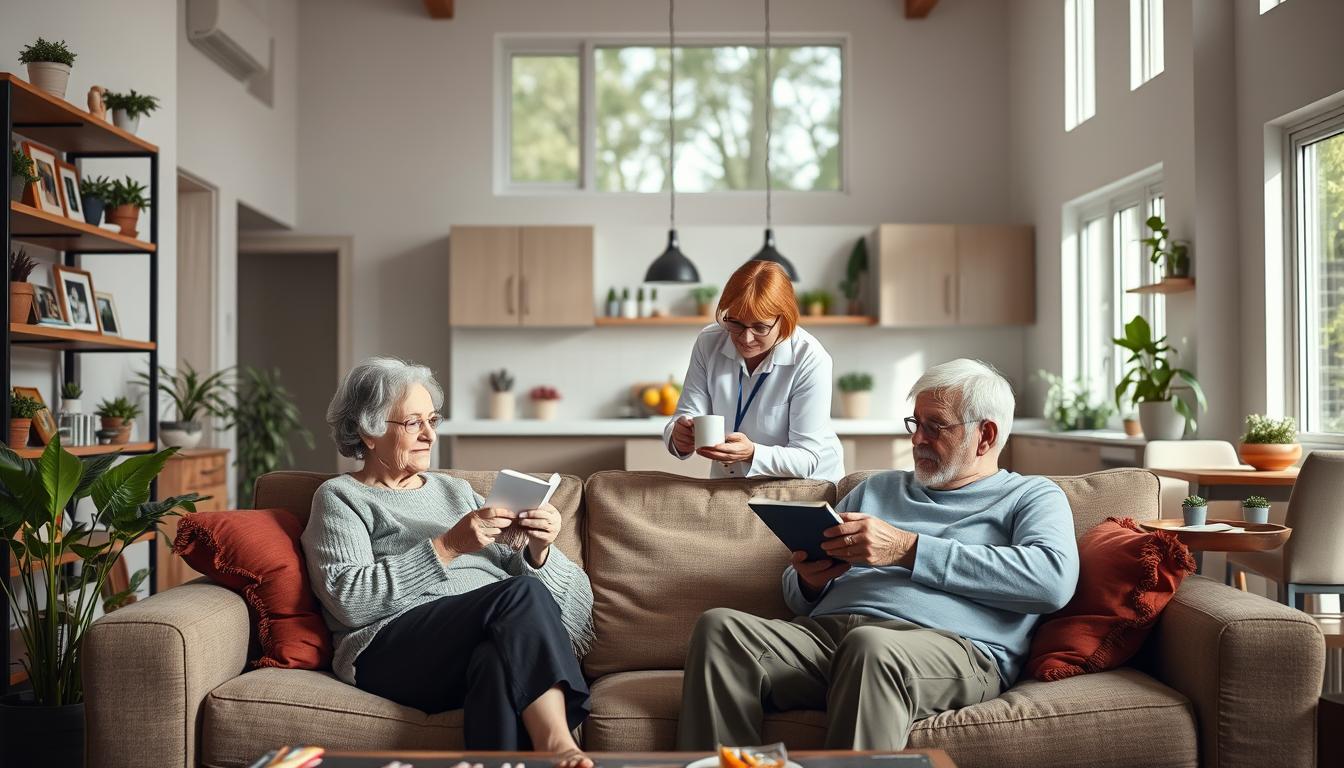
As society evolves, so does the approach to senior care. Aging in place has become a preferred option for many seniors, allowing them to maintain independence while receiving necessary assistance. In-home senior care services are at the forefront of this movement, providing personalized care that enhances the quality of life for the elderly. This article explores the numerous benefits of in-home senior care, emphasizing its role in fostering a supportive environment for seniors.
Personalized Care and Attention
In-home senior care offers a level of personalized attention that is often unmatched by other care facilities. Caregivers can tailor their services to meet the specific needs and preferences of each individual. This includes:
- Customized care plans that address unique health conditions and mobility issues.
- One-on-one interactions that help build trust and familiarity.
- Adaptability to changing needs over time, ensuring continuity of care.
Discover expert strategies here to understand how personalized care can significantly benefit seniors.
Enhanced Comfort and Familiarity
Remaining in a familiar environment is crucial for the emotional and psychological well-being of seniors. In-home care allows individuals to stay in their own homes, surrounded by personal belongings and memories. This familiarity contributes to:
- Reduced stress and anxiety, leading to better overall health.
- Increased independence and control over daily routines.
- Improved mental health by maintaining social connections with family and friends.
Learn about our tailored solutions here to enhance comfort and familiarity for seniors.
Safety and Assistance
In-home care services prioritize safety. Professional caregivers are trained to handle emergencies and provide assistance with daily activities that might pose risks to seniors, such as:
- Fall prevention strategies and home modifications.
- Medication management to ensure proper dosage and adherence.
- Assistance with daily tasks like bathing, dressing, and meal preparation.
Explore advanced guides and tips here to learn more about maintaining a safe environment for seniors.
Cost-Effectiveness
Contrary to popular belief, in-home senior care can be a cost-effective alternative to residential care facilities. By paying only for the services needed, families can manage expenses more efficiently. Benefits include:
- Flexible care schedules that cater to individual budgets.
- Elimination of costs associated with facility-based living.
- Potential reduction in medical expenses due to improved health outcomes.
Find out more about this approach here to understand the financial advantages of in-home senior care.
Emotional Support and Companionship
Social interaction is vital for seniors’ mental health. In-home caregivers not only provide medical and physical support but also offer companionship, which can alleviate feelings of loneliness and isolation. This aspect of care includes:
- Engaging in meaningful conversations and activities.
- Encouraging participation in social events and community activities.
- Providing emotional support during challenging times.
Learn more about how emotional support can impact seniors’ lives here.
Conclusion
In-home senior care is a compassionate and effective solution for enhancing the quality of life for the elderly. By offering tailored support, ensuring safety, and providing emotional companionship, this type of care supports seniors in leading fulfilling lives within the comfort of their homes. As the demand for aging in place continues to grow, exploring comprehensive resources and expert insights here can guide families in making informed decisions about their loved ones’ care.