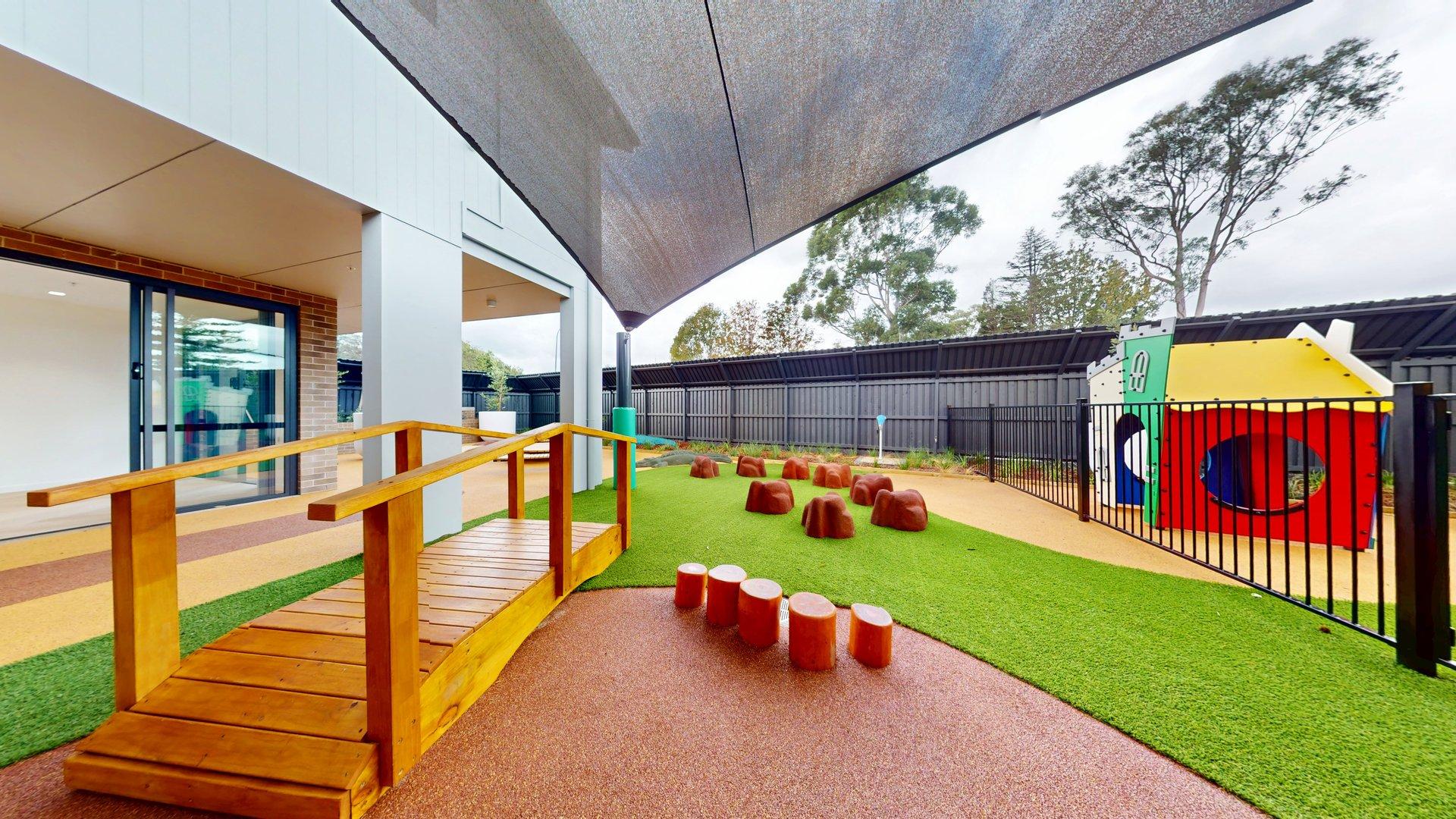
Early years education plays a pivotal role in shaping the future of children. It is during these formative years that foundational skills, social behaviors, and cognitive abilities are developed. By empowering children through quality early education, they are better equipped to face future challenges and seize opportunities. This article explores the significance of early years education and how it contributes to the holistic development of children.
The Importance of Early Years Education
Early childhood is a critical period where significant brain development occurs. During this time, children are highly receptive to learning and absorbing new information. Early years education provides structured learning experiences that foster:
- **Cognitive Development:** Activities designed to stimulate thinking, problem-solving, and creativity.
- **Social Skills:** Interaction with peers and adults helps children learn communication, cooperation, and empathy.
- **Emotional Growth:** Understanding and managing emotions in a supportive environment.
- **Physical Development:** Encouraging fine and gross motor skills through play and physical activities.
For more insights into the importance of early childhood education, read more about this topic.
Key Components of Effective Early Years Education
Qualified Educators
The role of educators in early years settings is critical. They act as facilitators, guiding and nurturing young minds. Effective educators possess the following qualities:
- **Patience and Empathy:** Understanding the unique needs of each child.
- **Creativity:** Designing engaging and educational activities that captivate young learners.
- **Knowledgeable:** Staying updated with the latest educational strategies and child development theories.
Explore further insights here on what makes an educator effective in early childhood settings.
Structured yet Flexible Curriculum
A well-balanced curriculum is essential for early childhood education. It should provide structure while allowing for flexibility to cater to the diverse needs of children. Key features include:
- **Holistic Approach:** Covering cognitive, emotional, social, and physical development.
- **Play-Based Learning:** Encouraging exploration and discovery through play.
- **Individualized Learning Plans:** Tailoring activities to meet the individual needs and interests of each child.
For a detailed guide on developing an effective curriculum, learn more in this detailed guide.
Benefits of Empowering Children Through Early Education
Empowering children through early education yields numerous benefits that extend into adulthood:
- **Improved Academic Performance:** Early learners tend to perform better academically in later years.
- **Enhanced Social Skills:** Early interaction helps children develop strong social and communication skills.
- **Increased Confidence:** Children who experience early success are more likely to approach new challenges with confidence.
- **Better Emotional Regulation:** Learning to manage emotions early leads to improved mental health and resilience.
Find additional information here on the long-term benefits of early childhood education: Learn more.
Conclusion
Early years education is a vital investment in a child’s future. By providing a nurturing and stimulating environment, children develop the skills and confidence necessary to navigate life successfully. As the foundation for lifelong learning, early education equips children with the tools they need to thrive in an ever-changing world. For further reading on this crucial topic, explore further insights here.