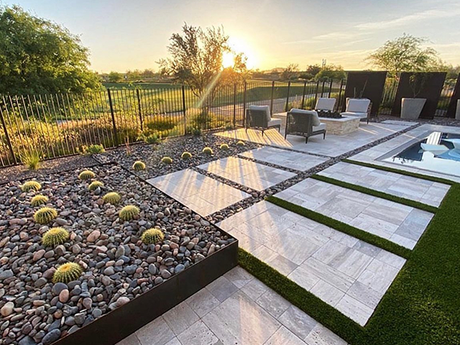
Transforming an outdoor space into a personal oasis requires more than just planting trees and laying down grass. It involves a thoughtful blend of design, functionality, and sustainability. For those who wish to elevate their outdoor environments, expert landscaping offers a plethora of solutions tailored to meet diverse needs and preferences. Whether the goal is to enhance property value, create a serene retreat, or establish a vibrant entertainment area, professional landscaping services can bring these visions to life. To achieve this, it’s crucial to understand the key components that comprise an outstanding landscape design.
Understanding Your Landscape Vision
A successful landscaping project begins with a clear vision. This involves understanding the specific needs and desires for the space, as well as the inherent characteristics of the environment. Here are a few steps that can guide the process:
- Assess the current state of the landscape, including climate, soil type, and existing vegetation.
- Define the primary purpose of the landscape?be it aesthetic appeal, functional space, or a combination of both.
- Consider the maintenance requirements for different design elements.
- Explore various styles and themes to find one that resonates with personal taste.
Discover expert strategies here for developing a comprehensive landscape vision that aligns with personal and environmental factors.
Design Elements and Features
The design phase is where creativity meets practicality. A well-designed landscape incorporates elements that complement each other while serving the intended purpose.
Hardscape and Softscape Integration
Balancing hardscape elements like patios, walkways, and retaining walls with softscape features such as plants, trees, and grass is essential for a cohesive look. The integration of these elements should ensure:
- Durability and functionality of hardscape features to withstand environmental conditions.
- Selection of plant species that thrive in the local climate and soil.
- Thoughtful placement of trees and shrubs to enhance privacy and shade.
Learn about our tailored solutions for integrating hardscape and softscape elements effectively.
Incorporating Water Features
Water features like ponds, fountains, and waterfalls can add a sense of tranquility and elegance to any landscape. When designing water features:
- Choose the right size and style to complement the overall design.
- Consider the sound and movement effects to enhance the sensory experience.
- Ensure proper placement to optimize the visual impact and accessibility.
Explore advanced guides and tips for incorporating water features into landscape designs.
Sustainable Landscaping Practices
Sustainability is a crucial consideration in modern landscaping. Implementing eco-friendly practices not only benefits the environment but can also lead to cost savings in the long run.
Native Plant Selection
Using native plants can significantly reduce water usage and maintenance efforts. Benefits include:
- Enhanced resilience to local pests and diseases.
- Improved support for local wildlife and pollinators.
- Reduced dependency on chemical fertilizers and pesticides.
Find out more about this approach to sustainable landscaping.
Efficient Irrigation Systems
Implementing efficient irrigation systems can optimize water usage. Key components include:
- Smart controllers that adjust watering schedules based on weather conditions.
- Drip irrigation systems that deliver water directly to plant roots, minimizing evaporation.
- Regular maintenance to ensure system efficiency and performance.
Explore advanced guides and tips on installing and maintaining efficient irrigation systems.