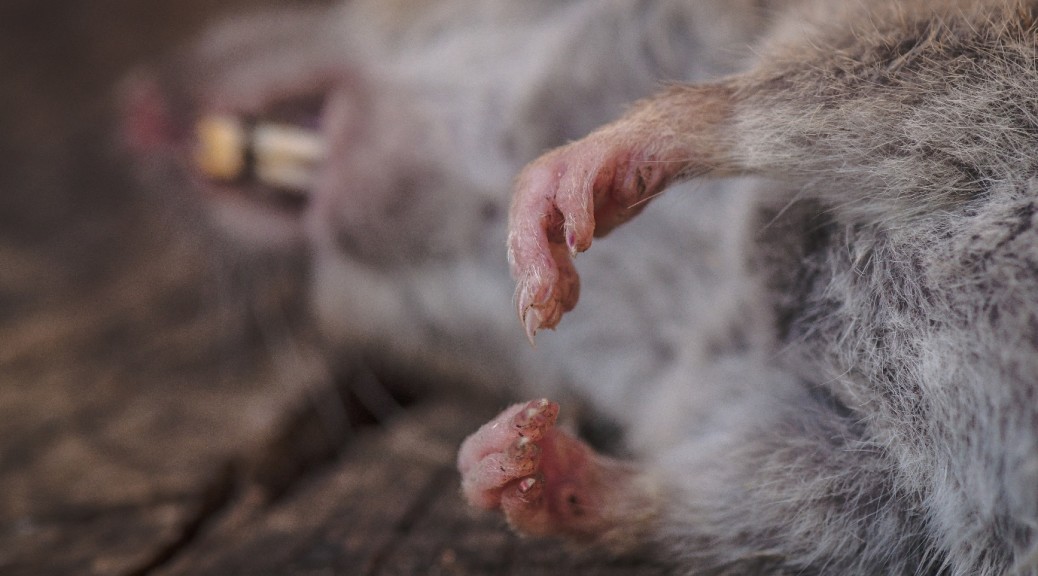
Dead animals on your property can pose significant health risks, emit unpleasant odors, and attract other unwanted wildlife. Proper and effective removal of dead animals is crucial for maintaining a safe and hygienic environment. This guide explores the importance of professional dead animal removal services, outlines the potential hazards of improper disposal, and offers insights into the process of efficiently managing such situations.
The Importance of Professional Dead Animal Removal
When dealing with deceased wildlife or pets, professional removal services are essential for several reasons:
- Health Risks: Dead animals can carry diseases and parasites that may be harmful to humans and pets.
- Odor Control: Decomposition can produce offensive smells that are difficult to eliminate without proper equipment and expertise.
- Safety: Professionals are trained to handle removal safely, minimizing contact with potentially hazardous materials.
Potential Hazards of Improper Disposal
Improper disposal of dead animals can lead to a range of problems:
- Environmental Impact: Decomposing animals can contaminate soil and water sources.
- Attraction of Scavengers: The presence of dead animals can attract predators and scavengers to your property.
- Legal Repercussions: Many jurisdictions have regulations regarding the disposal of dead animals, and failure to comply can result in fines.
Steps in the Dead Animal Removal Process
Assessment and Location
Professional services begin with a thorough assessment to locate the dead animal. This may involve:
- Visual Inspections: Checking common hiding spots and areas where animals may become trapped.
- Odor Detection: Trained professionals can track the source of odors to identify the precise location of the carcass.
Safe Removal Techniques
Once the animal is located, professionals employ safe removal techniques to ensure cleanliness and safety:
- Protective Gear: Use of gloves, masks, and other protective equipment to prevent contamination.
- Sanitization: Thorough cleaning and disinfecting of the affected area to eliminate bacteria and odor.
Disposal and Aftercare
Proper disposal is crucial to prevent further issues:
- Dead animal removal services ensure compliance with local regulations for disposal.
- Preventative Measures: Recommendations for securing your property to prevent future incidents.
Choosing the Right Dead Animal Removal Service
When selecting a removal service, consider the following factors:
- Experience and Expertise: Look for companies with a proven track record in wildlife control.
- Response Time: Quick response is crucial to minimize health risks and odor.
- Comprehensive Services: Ensure the service includes assessment, removal, and aftercare.
For more information on effective wildlife control strategies and services, explore trusted resources and service providers in your area. Professional dead animal removal is a vital component of maintaining a safe and healthy environment.